EnVISION – VenSpec-H
EnVision: Unravelling the Secrets of Venus
The European Space Agency’s EnVision mission will provide an unprecedented view of Venus, investigating the planet as an integrated system, from its deep interior to the upper reaches of its atmosphere. By combining radar imaging, subsurface sounding and atmospheric observations, the mission will seek to establish how geological processes and atmospheric dynamics have shaped the planet over time.

A central objective is to understand the complex relationship between Venus’s internal structure, surface geology and atmospheric environment. EnVision will investigate the planet’s geological history, assess the extent of its present-day volcanic and tectonic activity, and examine how processes occurring beneath the surface influence atmospheric composition and long-term climate evolution.
The mission will address several fundamental questions about Venus: how its interior and surface have developed; whether volcanic and tectonic processes remain active today; how geological activity affects atmospheric conditions; whether liquid water oceans once existed and what evidence of them might remain; and how the planet releases its internal heat. Ultimately, EnVision aims to shed light on the origins of Venus’s extreme greenhouse climate and explain why its evolution diverged so dramatically from that of Earth.
Among its instruments, EnVision will be equipped with Three optical spectrometers (the VenSpec Suite: VenSpec-M, VenSpec-U, and VenSpec-H) will observe the surface and atmosphere of Venus.
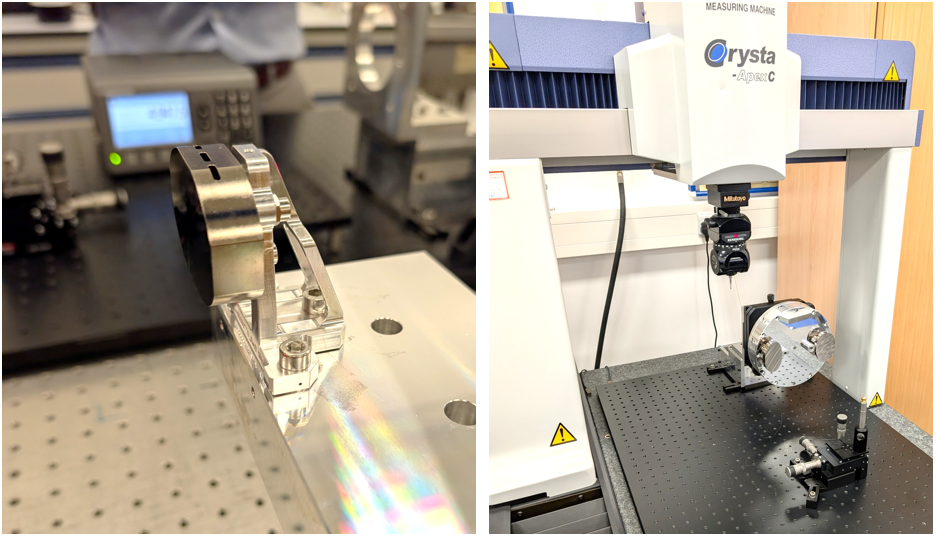
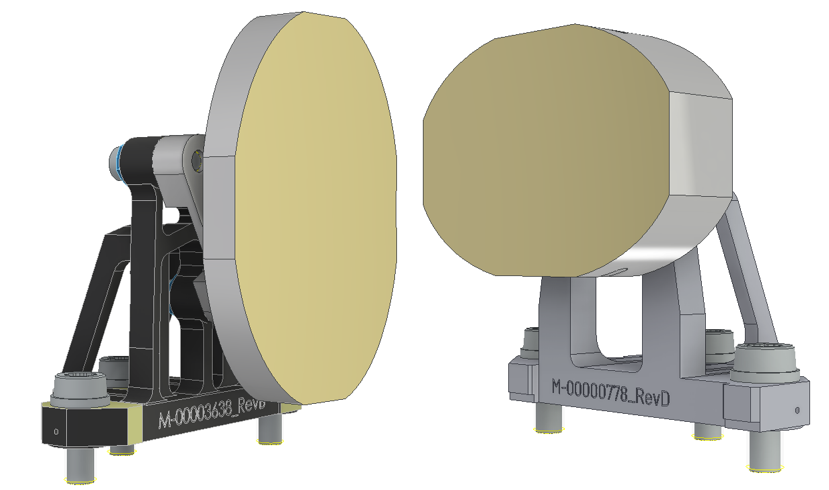
Durham CfAI has been contracted by OiP to codevelop, manufacture and test some of the VenSpec-H (Venus Spectrometer with High resolution) optics, in particular 2 folding mirrors and a parabolic mirror feeding the grating.
The Durham team is currently involved in the prototyping/qualification of the systems, and will moving into the EM qualification and then flight models for a launch expected on November 1st, 2031.